Total population
178,958 2023 Census
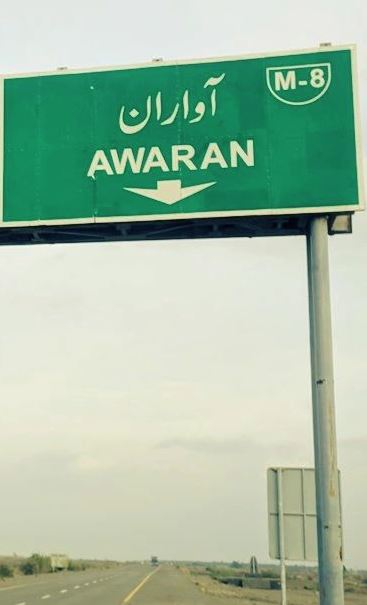
The southernmost district of Kalat Division: one of Balochistan's largest yet least developed districts, centred on Awaran town and reliant on livestock, subsistence agriculture, and date cultivation despite persistent water shortages and infrastructure deficits. This page summarises district statistics, services, elected representation, and priority development challenges.
178,958 2023 Census
29,510 km²
5 tehsils · 9 union councils
| Indicator | Value |
|---|---|
| Total population (2023 Census) | 178,958 |
| Total area | 29,510 km² |
| Tehsils / Sub-Divisions | 5 |
| Union councils | 9 |
| Type | Count |
|---|---|
| Schools (government total) | 383 |
| Colleges | 3 (Government) |
| Facility type | Count |
|---|---|
| DHQ | 1 |
| BHU | 7 |
| RHC | 2 |
| Civil Dispensaries (CD) | 17 |
| MCH | 2 |
2 police stations (district total).
| Constituency | Name (Party) |
|---|---|
| NA-257 Hub-cum-Lasbela-cum-Awaran | Mr. Jam Kamal Khan (PMLN) |
| Constituency | Name (Party) |
|---|---|
| PB-23 Awaran | Mr. Khair Jan Baloch (NP) |
Awaran's mountainous terrain and scattered settlements create significant connectivity challenges, with many roads linking Awaran, Mashkay, Jhal Jhao, Gishkore, and Kolwah remaining unpaved or poorly maintained, restricting access to markets, healthcare, and essential services.
Awaran faces severe water scarcity due to prolonged droughts, declining groundwater levels, limited water storage infrastructure, and inadequate water supply systems, affecting domestic use, agriculture, and livestock.
Healthcare services in Awaran remain limited, with shortages of doctors, specialists, medicines, diagnostic facilities, and emergency services, forcing many residents to travel to other districts for medical treatment.
Employment opportunities are scarce, as the local economy relies mainly on livestock, subsistence agriculture, and public-sector employment, while limited industrial activity and skills development contribute to high unemployment among youth.
Awaran is highly vulnerable to environmental challenges, including recurring droughts, earthquakes, flash floods, and harsh terrain, which damage infrastructure, disrupt livelihoods, and hinder socioeconomic development.