Total population
313,271 2023 Census
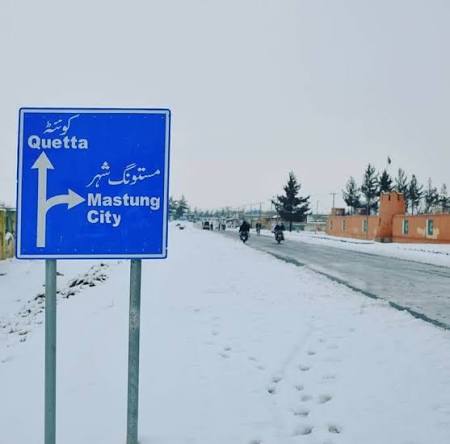
A key transport and agricultural district of Kalat Division: strategically located along the Quetta–Karachi National Highway (N-25), with an economy centred on horticulture, agriculture, livestock, and trade, benefiting from its proximity to Quetta and role as a major transport corridor. This page summarises district statistics, services, elected representation, and priority development challenges.
313,271 2023 Census
3,308 km²
4 tehsils · 27 union councils
| Indicator | Value |
|---|---|
| Total population (2023 Census) | 313,271 |
| Total area | 3,308 km² |
| Tehsils / Sub-Divisions | 4 |
| Union councils | 27 |
| Type | Count |
|---|---|
| Schools (government total) | 413 |
| Colleges | 3 (Government) |
| Facility type | Count |
|---|---|
| Hospital | 1 |
| DHQ | 1 |
| BHU | 24 |
| RHC | 6 |
| Civil Dispensaries (CD) | 6 |
| MCH | 2 |
3 police stations (district total).
| Constituency | Name (Party) |
|---|---|
| NA-261 Surab-cum-Kalat-cum-Mastung | Mr. Moulana Abdul Ghafoor Haideri (JUIP) |
| Constituency | Name (Party) |
|---|---|
| PB-37 Mastung | Mr. Nawab Muhammad Aslam Khan Raisani (JUIF) |
Mastung benefits from strategic connectivity via the Quetta–Karachi National Highway (N-25), but roads linking Dasht, Kardigap, and other rural settlements require rehabilitation, limiting access to markets and public services.
Mastung faces chronic water scarcity, as prolonged droughts, declining groundwater levels, and inadequate water supply infrastructure reduce access to safe drinking water and irrigation.
Healthcare services in Mastung remain constrained by shortages of specialist doctors, medical staff, medicines, diagnostic facilities, and emergency services, forcing many patients to seek specialized treatment in Quetta.
Employment opportunities in Mastung remain limited, as low industrial development, skills gaps, and inadequate vocational training contribute to unemployment, particularly among rural youth.
Mastung faces growing environmental challenges from recurring droughts, groundwater depletion, land degradation, overgrazing, and climate change, threatening agriculture, horticulture, livestock, and water security.