Total population
279,038 2023 Census
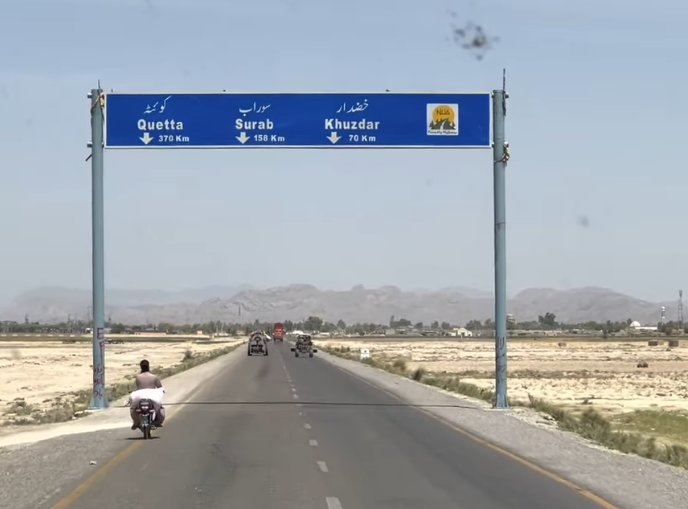
An agricultural district at the heart of Kalat Division: strategically located along the Quetta–Karachi National Highway (N-25), with an economy based on agriculture, horticulture, livestock, and small-scale trade, while facing persistent water shortages and infrastructure constraints. This page summarises district statistics, services, elected representation, and priority development challenges.
279,038 2023 Census
762 km²
4 tehsils · 22 union councils
| Indicator | Value |
|---|---|
| Total population (2023 Census) | 279,038 |
| Total area | 762 km² |
| Tehsils / Sub-Divisions | 4 |
| Union councils | 22 |
| Type | Count |
|---|---|
| Schools (government total) | 242 |
| Colleges | 3 (2 Government + 1 Private) |
| Facility type | Count |
|---|---|
| DHQ | 1 |
| BHU | 27 |
| RHC | 1 |
| Civil Dispensaries (CD) | 6 |
| MCH | 1 |
1 police stations (district total).
| Constituency | Name (Party) |
|---|---|
| NA-261 Surab-cum-Kalat-cum-Mastung | Mr. Moulana Abdul Ghafoor Haideri (JUIP) |
| Constituency | Name (Party) |
|---|---|
| PB-35 Surab | Mr. Mir Zafarullah Khan Zehri (JUIF) |
Surab benefits from strategic connectivity via the Quetta–Karachi National Highway (N-25), but poorly maintained roads linking Gidar, Baghbana, Sann, and surrounding rural areas continue to limit access to markets and public services.
Surab faces chronic water scarcity, as declining groundwater levels, prolonged droughts, and limited water storage infrastructure reduce access to safe drinking water and irrigation.
Healthcare services in Surab remain constrained by shortages of specialist doctors, medical staff, medicines, diagnostic facilities, and emergency services, forcing many patients to seek treatment in Khuzdar or Quetta.
Employment opportunities in Surab remain limited, as low agricultural productivity, inadequate cold storage and marketing facilities, and weak private-sector investment contribute to unemployment, particularly among rural youth.
Surab faces growing environmental challenges from recurring droughts, groundwater depletion, land degradation, overgrazing, and climate change, threatening horticulture, livestock, water resources, and rural livelihoods.